

In the world of modern architecture and interior design in Oman, the demand for materials that are multifunctional, visually stunning, and environmentally conscious has never been higher. The challenge lies in finding a single solution that can solve complex acoustic problems without compromising on aesthetic ambition. This is where our Polyester Fiber Acoustic Panels excel, offering a definitive answer to this challenge.
This page serves as your ultimate guide to understanding the immense potential of acoustic polyester, from its technical properties and sustainable origins to its limitless design applications. Whether your project involves a bustling corporate headquarters in Muscat, a serene educational facility in Sohar, or a luxury residence overlooking the coast, our polyester acoustic board solutions provide the performance and versatility you need.
Choosing a polyester panel means investing in a material with a comprehensive list of benefits that go far beyond simple acoustics.
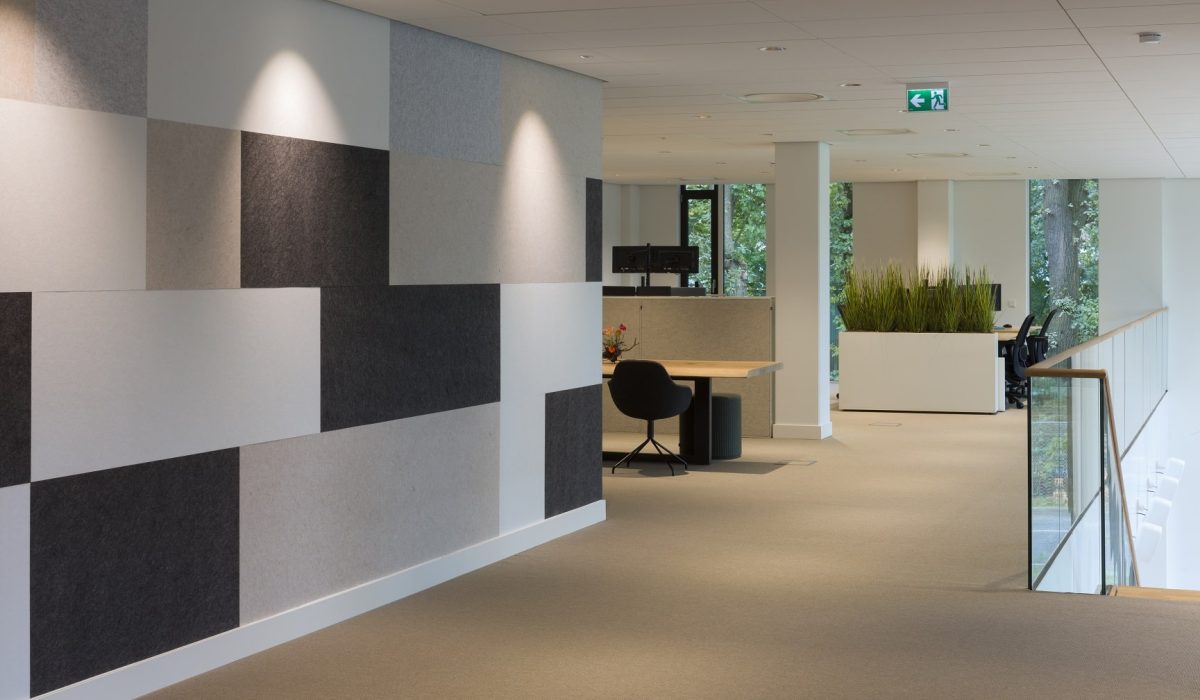
The primary measure of a panel’s sound-absorbing capability is its Noise Reduction Coefficient (NRC). Our polyester fiber acoustic panels boast high NRC ratings, indicating their exceptional ability to absorb sound across the human speech frequencies (250-2000 Hz). This translates directly into enhanced speech intelligibility in meeting rooms, reduced clatter in restaurants, and a calmer, more focused atmosphere in open-plan offices.
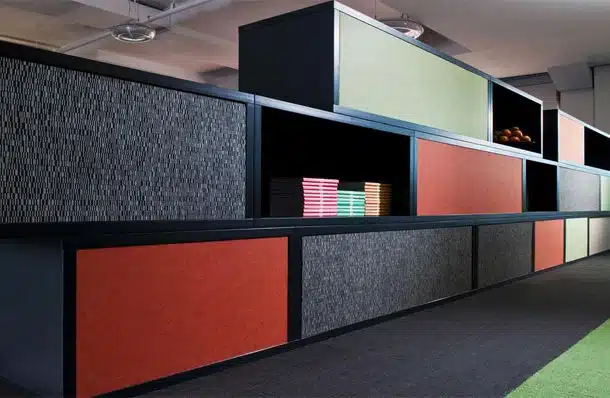
Unlike restrictive traditional materials, acoustic polyester is a designer’s canvas.
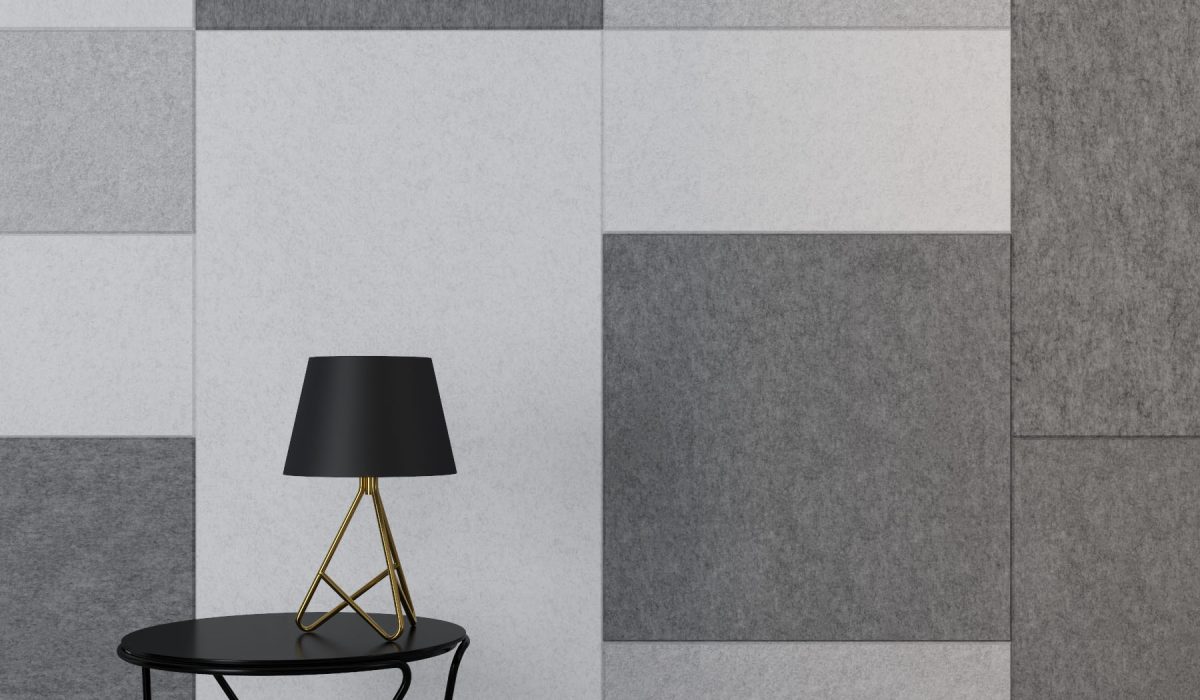
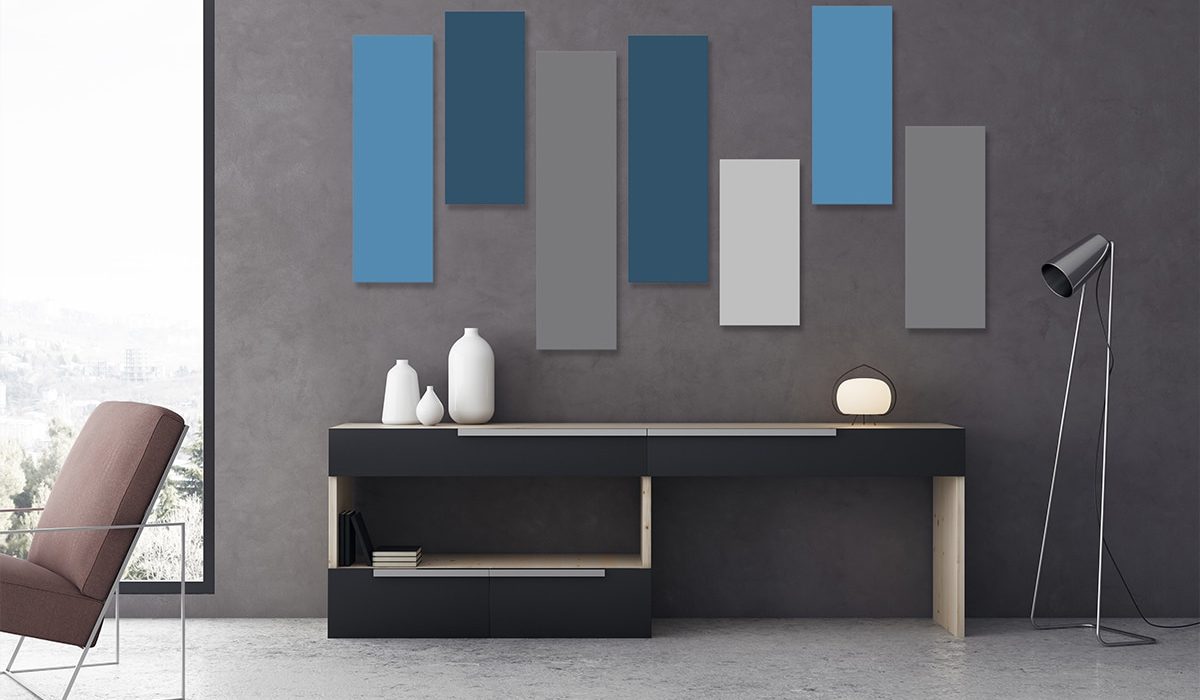
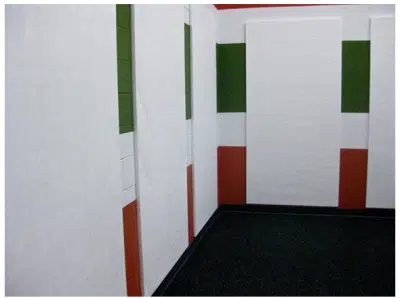
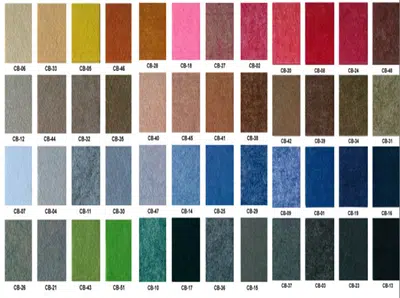
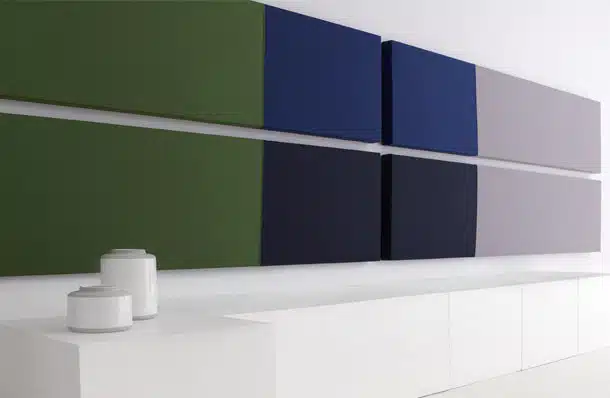
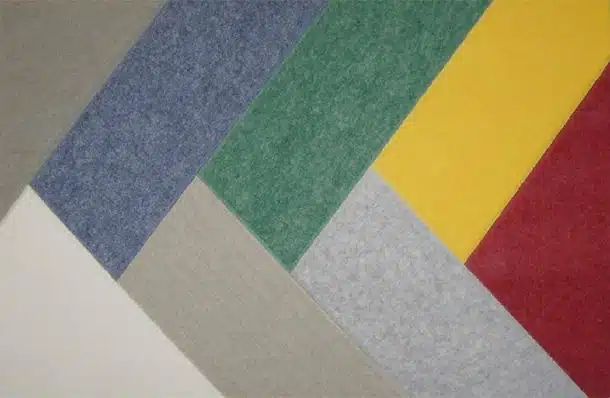
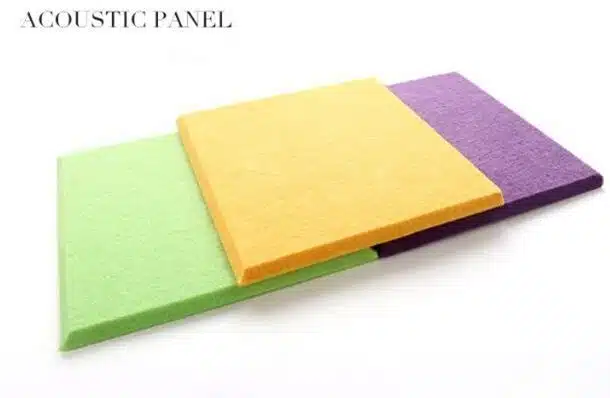
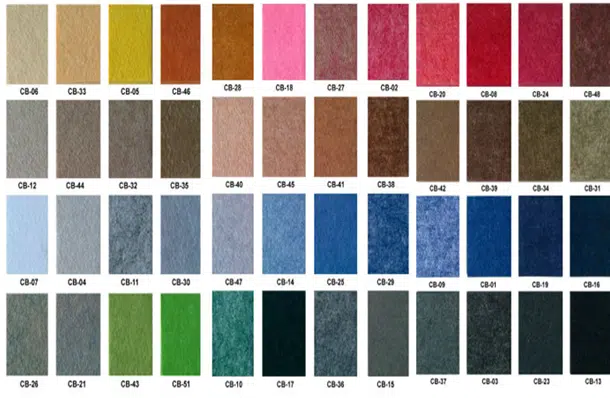
Colour: The panels are available in a vast spectrum of standard and custom colours to perfectly match any brand identity or interior palette.
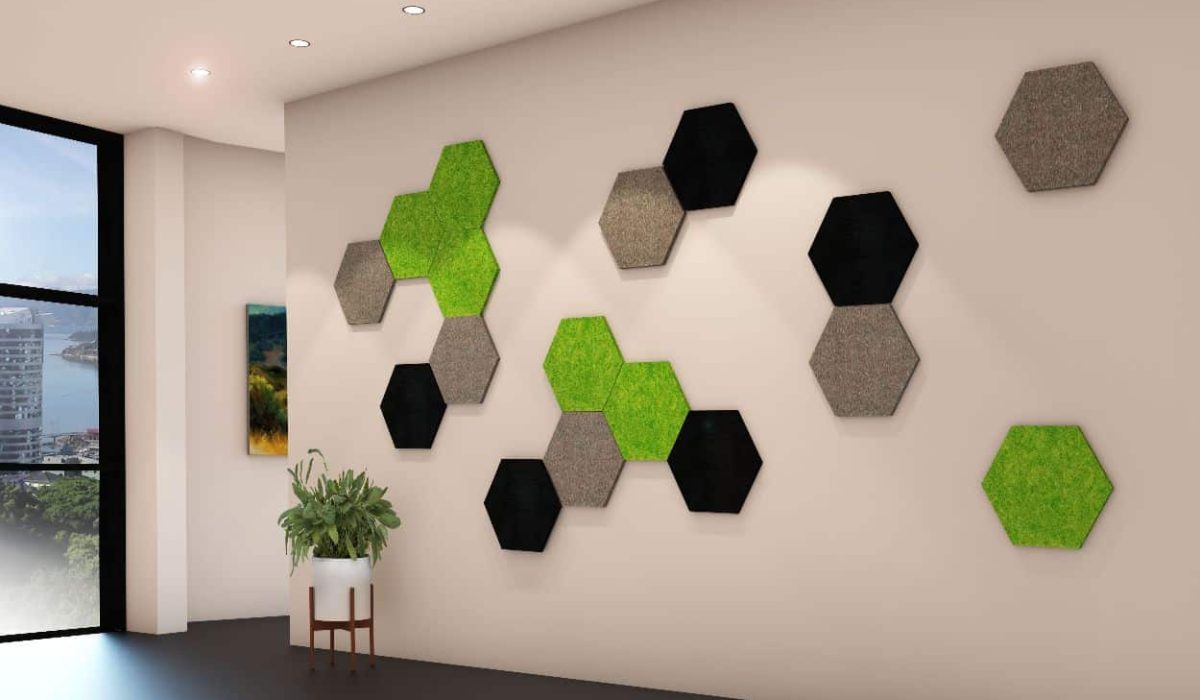
Shape: Using precision CNC cutting, the rigid polyester acoustic board can be transformed into any conceivable shape—from simple geometric patterns to intricate corporate logos or artistic murals.
Form: We also offer 3D-formed and embossed panels that add texture, depth, and a unique sculptural element to walls and ceilings.
In an era of green building, our panels lead the way. Made from recycled materials, they are a cornerstone of circular economy principles. Furthermore, because they contain no volatile organic compounds (VOCs), formaldehyde, or chemical binders, they do not release any harmful substances into the air. This makes them a safe, non-toxic, and non-allergenic choice, contributing to improved indoor air quality and qualifying for certifications like LEED and WELL.
The thermally bonded fibers create a robust and impact-resistant panel. It will not break, crumble, or sag over time like some other materials. The panels are also inherently moisture-resistant, preventing the growth of mould or mildew, making them suitable for a wide range of climates. The colour is integrated throughout the panel, ensuring that minor scratches or scuffs are not easily visible.
At first glance, a polyester acoustic panel is a simple, elegant board. However, its creation involves advanced technology and a deep commitment to sustainability.
PET is the core component of every polyester fiber acoustic panel. It’s the same polymer found in plastic drink bottles. The manufacturing process starts with collecting post-consumer PET plastics, which are then cleaned, crushed, and melted down into fine polyester fibers. These fibers are then thermally bonded using heat and compression, which creates a rigid yet lightweight PET Felt board. This process doesn’t use any chemical glues or resins. The resulting PET Felt has a felt-like finish and is inherently safe. This eco-friendly process not only diverts waste from landfills, but it also creates a product that’s 100% recyclable.
The acoustic magic of these panels lies in their micro-porous structure. When sound waves—which are energy traveling through the air—encounter the fibrous surface of the panel, they penetrate its open-pored interior. Inside, the sound energy causes the fibers to vibrate, creating tiny amounts of frictional heat. This process, known as “acoustic-to-thermal energy conversion,” effectively absorbs the sound energy, preventing it from reflecting back into the room as echo or reverberation. The denser the panel and the thicker its construction, the more effectively it can absorb sound, particularly at lower frequencies.
When specifying acoustic materials, it’s important to know the alternatives. Here’s how our acoustic polyester stands out:
vs. Fiberglass/Mineral Wool: While effective acoustically, fiberglass and mineral wool can release microscopic fibers that irritate the skin, eyes, and respiratory tract during installation. Polyester is completely safe, non-toxic, and non-irritant, making it a healthier choice for installers and occupants alike.
vs. Acoustic Foam: Foam can degrade, crumble, and discolour over time, especially with UV exposure. It also carries a higher fire risk. Polyester is far more durable, colorfast, and has a significantly better fire safety rating, ensuring both longevity and safety.
vs. Acoustic Fabric Panels: Acoustic fabric panels (or stretch wall systems) consist of an acoustic core wrapped in decorative fabric. While they offer a wide range of textile finishes, the polyester panel is a monolithic product where the material is the finish. This makes it more durable in high-traffic areas, as there is no fabric to snag, tear, or stain separately from the core.
vs. Wooden Acoustic Panels: Perforated or slatted wooden panels offer a classic, premium aesthetic but are often heavy, expensive, and complex to install. Acoustically, they primarily function as resonators or diffusers with some absorption from their backing.
vs. Wood Wool Acoustic Panels: Wood wool panels, made of wood fibers bonded with cement, are known for their durability and natural texture. However, they are heavy, rigid, and have a coarse surface. Acoustic polyester is significantly lighter, making it easier to install on both walls and ceilings.
We provide all the necessary data for you to specify our polyester acoustic board with confidence.
| Specification | Details |
| Material Composition | 100% Polyester Fiber (Minimum 60% Post-Consumer Recycled Content) |
| Density | Varies by product, typically 150 – 220 kg/m3 |
| Noise Reduction (NRC) | 0.45 – 0.95 (depending on thickness and mounting method) |
| Fire Rating | ASTM E84 Class A / EN 13501-1 Class B |
| Standard Dimensions | 1220mm x 2440mm (Custom sizes available) |
| Standard Thickness | 9mm, 12mm, 24mm |
| VOC Emissions | Zero |
| Frequency / Rating | 1/2″ Thickness | 1″ Thickness | 1-1/2″ Thickness |
| 125 Hz | 0.00 | 0.06 | 0.14 |
| 250 Hz | 0.07 | 0.34 | 0.61 |
| 500 Hz | 0.25 | 0.68 | 0.82 |
| 1000 Hz | 0.59 | 0.93 | 1.04 |
| 2000 Hz | 0.79 | 0.98 | 1.00 |
| 4000 Hz | 0.96 | 0.97 | 0.93 |
| NRC | 0.45 | 0.75 | 0.85 |
The true value of our polyester fiber acoustic panels is seen in their transformative effect on diverse environments.
In open-plan offices, the key challenges are speech privacy and reducing distracting cross-talk. Our panels can be used to create targeted acoustic zones, line meeting room walls for confidentiality, and serve as desk dividers. Custom-printed panels with company branding can merge corporate identity with acoustic function.
Studies show that excessive classroom noise negatively impacts student concentration and learning. Our non-toxic, impact-resistant panels are perfect for schools, universities, and libraries. They absorb the noise of a bustling classroom, making the teacher’s voice clearer and creating a more effective learning environment.
In a restaurant, hotel lobby, or high-end retail store, ambiance is everything. Acoustic polyester panels control background noise, allowing for comfortable conversations and creating a sense of luxury and calm that encourages guests to stay longer and enjoy their experience.
For environments where sound purity is paramount, our panels provide precise acoustic control. They eliminate flutter echo and standing waves, ensuring that what you hear is a true representation of the source audio, whether it’s a film soundtrack or a musical recording.
Yes, they are generally considered both safe and environmentally friendly. Most panels are made from a high percentage of recycled materials (often from plastic bottles) and are free from harmful chemicals like formaldehyde, which can be found in some other types of insulation. They are also non-toxic, non-allergenic, and have low VOC (Volatile Organic Compound) emissions.
Polyester acoustic panels are versatile and can be used in a wide range of applications, including:
Home theaters and recording studios
Offices and conference rooms
Schools and universities
Restaurants and cafes
Gymnasiums and auditoriums
Residential living spaces to reduce noise and improve sound quality.
Installation is typically straightforward and can be done with a few different methods, depending on the panel type and the surface. Common installation techniques include:
Adhesive: Using a strong construction adhesive or spray adhesive to stick the panels directly to a wall or ceiling.
Mechanical Fasteners: Using screws or clips for a more secure and sometimes removable installation.
Z-Clips or Hangers: For a floating or a more professional look, often used for larger or thicker panels.
Polyester acoustic panels offer several advantages over other materials like foam, fiberglass, or mineral wool. They are:
More durable: Less likely to crumble or break down over time.
Less irritating: Do not release fibers that can cause skin or respiratory irritation.
Visually appealing: Often available in a wide range of colors and designs, and can be cut into custom shapes.
Eco-friendly: Made from recycled materials. While some materials might offer slightly higher absorption coefficients at specific frequencies, polyester panels provide a balanced and effective solution for a broad range of applications.