


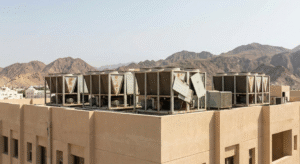
HVAC systems keep Muscat buildings comfortable during scorching summers, but the constant humming, rattling, and vibrating disrupts work, sleep, and daily activities. The noise travels through ducts, penetrates walls, and creates an environment where concentration becomes impossible.
Your building deserves better than constant mechanical noise. Understanding where HVAC noise originates and implementing targeted solutions transforms loud spaces into peaceful environments where people can focus, relax, and thrive.
Understanding HVAC Noise Sources
HVAC noise comes from multiple sources within your system. The compressor generates low-frequency vibrations that travel through your building’s structure. Air rushing through ducts creates whooshing sounds that amplify in enclosed spaces. Loose components rattle and bang during operation cycles.
Poorly installed systems vibrate against walls and floors, transmitting noise directly into occupied spaces. Aging equipment develops new noise patterns as components wear down and efficiency decreases.
Immediate Solutions You Can Implement
Inspect and Tighten Loose Components
Walk around your HVAC system during operation and listen carefully. Loose panels, screws, and mounting brackets create unnecessary rattling. Tightening these components eliminates immediate noise sources without requiring professional intervention.
Check access panels, filter covers, and external housing for movement during system operation. A simple screwdriver often solves problems that seem complex.
Replace Worn Air Filters
Clogged filters force your system to work harder, increasing noise levels significantly. Replace filters every one to three months depending on usage and dust levels in Muscat’s climate. Clean filters improve airflow, reduce strain on your system, and lower operational noise.
Add Vibration Isolation Pads
Place vibration isolation pads under HVAC units to prevent noise transmission through floors and walls. These rubber or cork pads absorb vibrations before they spread throughout your building structure, providing immediate noise reduction.
Professional Soundproofing Solutions
Install Acoustic Panels Around HVAC Units
Acoustic panels absorb sound waves before they propagate through your building. Position these specialized panels around external HVAC units to capture noise at the source. The panels work particularly well in mechanical rooms where hard surfaces amplify sound.
Strategic placement of acoustic panels reduces reflected noise that bounces between walls and ceilings, creating the echo effect that makes HVAC systems sound louder than they actually are.
Upgrade Ductwork Insulation
Sound travels efficiently through metal ductwork, carrying HVAC noise to every room connected to your system. Wrapping ducts with acoustic insulation creates a barrier that prevents sound transmission while improving temperature efficiency.
Focus insulation efforts on main trunk lines where noise travels longest distances. The investment pays dividends through reduced energy costs and quieter operation.
Install Duct Silencers
Duct silencers fit inside your ductwork and absorb sound as air passes through. These devices use sound-absorbing materials arranged to allow airflow while capturing noise. Install silencers near the air handler and at strategic points throughout your duct system for maximum effectiveness.
Advanced Soundproofing Solutions
Implement a Complete Soundproofing Solution
Comprehensive noise control requires addressing every transmission path. This means combining acoustic panels, vibration isolation, duct treatment, and barrier materials into an integrated system designed specifically for your building’s needs.
Professional assessment identifies the primary noise sources and transmission routes unique to your installation. Companies like Akinco Oman specialize in evaluating HVAC noise problems and designing custom solutions that address your specific challenges.
Upgrade to Quieter Equipment
Older HVAC systems operate at noise levels unacceptable by modern standards. Newer variable-speed systems run significantly quieter while delivering better efficiency and climate control. Consider equipment upgrades when noise persists despite other interventions.
Modern compressors use advanced sound dampening technology and precision engineering that reduces operational noise by 50% or more compared to units from just ten years ago.
Create Acoustic Barriers
Build enclosed spaces around particularly noisy HVAC components using sound-blocking materials. These barriers contain noise at the source rather than allowing it to spread. Ensure adequate ventilation to prevent overheating while maintaining noise isolation.
Maintenance Prevents Future Noise
Schedule Regular Professional Maintenance
Well-maintained HVAC systems run quieter and more efficiently. Annual professional servicing identifies worn components before they fail, lubricates moving parts to reduce friction noise, and ensures optimal system performance.
Preventive maintenance costs far less than emergency repairs and extends your equipment’s lifespan while keeping noise levels under control.
Monitor System Performance
Pay attention to changes in noise patterns. New sounds often indicate developing problems that require attention. Addressing issues early prevents minor problems from becoming major noise sources.
Keep records of maintenance activities and noise complaints to identify patterns and recurring issues that need permanent solutions.
Choosing the Right Approach
Start with simple, low-cost solutions like tightening components and replacing filters. If noise persists, invest in acoustic panels and vibration isolation. For persistent problems, consult professionals who can design comprehensive soundproofing solutions tailored to your building.
Consider the disruption noise causes versus the investment required to fix it. Lost productivity, tenant complaints, and reduced property value often exceed the cost of proper noise control.
HVAC noise doesn’t have to be an accepted part of building life in Muscat. Strategic interventions ranging from simple maintenance to comprehensive acoustic treatment create comfortable, quiet environments where people work and live without constant mechanical distraction.
Assess your specific noise challenges, implement appropriate solutions, and enjoy the peace that comes with properly controlled HVAC systems. Your building occupants will thank you with improved satisfaction and productivity.
Frequently Asked Questions
How much does HVAC soundproofing typically cost?
Costs vary widely based on system size and chosen solutions. Simple fixes like filters and vibration pads cost hundreds of riyals, while comprehensive acoustic treatment may cost several thousand. Professional assessment provides accurate estimates for your specific situation.
Can I soundproof an HVAC system myself?
Basic improvements like tightening components, replacing filters, and adding vibration pads are DIY-friendly. Complex solutions involving ductwork modification or acoustic barriers require professional installation to ensure effectiveness and system safety.
How long does HVAC soundproofing installation take?
Simple solutions take hours, while comprehensive acoustic treatment may require several days depending on building size and complexity. Most projects minimize disruption by working during off-hours or in phases.
Will soundproofing affect HVAC efficiency?
Proper soundproofing improves efficiency by addressing issues like air leaks and poor insulation. Poorly executed modifications can restrict airflow and reduce performance, which is why professional installation matters for complex projects.
How often should acoustic panels be replaced?
Quality acoustic panels last 10 to 15 years or longer with minimal maintenance. Replace panels when they show visible damage, become saturated with dust, or lose effectiveness.
