When it comes to flooring that blends beauty, durability, and easy installation, modern homeowners want it all, without emptying their wallets.
This is where Floating Floors have become a game-changer. They combine functionality and style, making them ideal for living rooms, offices, or even rental spaces.
What Are Floating Floors?
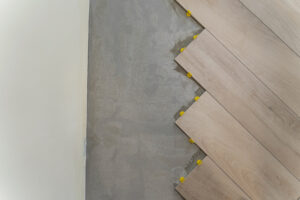
A Floating Floor doesn’t stick to the subfloor like traditional flooring.
Instead, each plank or tile interlocks with the next, creating a firm surface that simply “floats” above the base layer, no glue, nails, or staples required.
This system was designed to make installation faster, cleaner, and more affordable.
Common materials used in Floating Floors include:
-
Laminate
-
Luxury Vinyl Planks (LVP)
-
Engineered Wood
-
Hybrid Flooring (vinyl + laminate mix)
Each type offers a unique appearance, texture, and level of waterproofing, but all share the same floating installation principle.
Why Homeowners Adore Floating Floors
1. Quick Installation
Thanks to their click-lock mechanism, Floating Floors can be installed without professional help.
For DIY enthusiasts, that means saving both time and money.
2. Versatility Across Spaces
They can be laid over almost any surface like concrete, tile, plywood, or existing vinyl, making them perfect for renovation projects where you don’t want to remove old flooring.
3. Comfort and Acoustics
With a foam or cork underlay, Floating Floors feel soft underfoot and provide better sound insulation, ideal for apartments or high-rise buildings.
4. Affordability
From laminate to vinyl, most Floating Floors cost less than hardwood or tile while still offering a premium finish.
5. Moisture Resistance
Modern Floating Floors, especially vinyl and hybrid types, resist moisture, making them great for kitchens, hallways, and even some bathrooms.
Floating Floors vs Traditional Flooring
| Property | Floating Floors | Traditional Flooring |
|---|---|---|
| Installation Process | Click-lock, no nails or glue | Nailed, glued, or cemented |
| Installation Time | Quick, DIY-friendly | Longer, needs professionals |
| Cost | Moderate | Higher (labor + materials) |
| Durability | High (depends on material) | Very high (solid wood) |
| Repair/Replacement | Easy plank replacement | Often needs major work |
In short, Floating Floors are quick, flexible, and affordable, without compromising style.
Popular Types of Floating Floors
Laminate Floating Floors
The most affordable option, laminate mimics natural wood using high-resolution prints and protective coatings. It’s resistant to scratches and stains, ideal for bedrooms or living rooms.
Vinyl Floating Floors (LVP/LVT)
Luxury Vinyl Planks and Tiles are completely waterproof and durable. They look like real wood or stone and handle spills easily, perfect for kitchens and bathrooms.
Engineered Wood Floating Floors
Engineered wood gives the charm of real timber with greater stability. Its plywood base prevents warping, even in humid climates.
Hybrid Floating Floors
Combining the best of laminate and vinyl, hybrid floors are waterproof, stylish, and long-lasting, perfect for busy modern homes.
Floating Floors Installation Guide
Installing Floating Floors is simple if your subfloor is level and clean:
-
Surface Preparation: Make sure the floor is clean, dry, and even.
-
Install the Underlay: Add foam or cork for comfort and sound insulation.
-
Start from a Corner: Begin laying planks from one end of the room.
-
Click and Lock: Connect planks using the locking system.
-
Trim and Finish: Leave space around walls for expansion and finish with skirting boards.
A medium-sized room can be completed in less than a day.
Floating Floors Maintenance Tips
To keep your Floating Floors looking new:
-
Sweep or vacuum regularly to remove dust.
-
Mop with a damp (not wet) cloth.
-
Avoid harsh chemicals or wax-based products.
-
Use felt pads under furniture legs.
-
Wipe spills immediately to prevent damage.
With proper care, Floating Floors can last 15–25 years, depending on material quality.
Eco-Friendly Advantages
Many Floating Floors are made using recycled materials and low-VOC adhesives, making them safer for your home and the planet.
Since they don’t need heavy glues or nails, they cause minimal structural damage, a sustainable choice for modern renovations.
When Floating Floors May Not Be Ideal
Floating Floors may not be suitable for:
-
Extremely moist areas (like saunas or always-wet bathrooms)
-
Outdoor decks or verandas
-
Rooms with uneven subfloors
In such cases, glued or cemented floors perform better long-term.
Floating Floors have transformed modern home and office design — blending convenience, affordability, and elegance.
Whether you love sleek laminates, luxury vinyl, or engineered wood, there’s a floating option for every taste and budget.
When planning your next renovation, choose Floating Floors for a stylish, durable, and eco-friendly solution that’s easy to install and built to last.