


The Fabric of Silence: How to Make Your Space Acoustically Comfortable
In our modern, fast-paced world, finding peace and quiet can be a challenge. Whether it’s a bustling office, a lively restaurant, or a noisy home, unwanted sound can be a major source of stress and distraction. While soundproofing often brings to mind thick, heavy walls and complex construction, there’s a more elegant and versatile solution: acoustic fabric panels. These panels are not just a tool for noise control; they are a design element that can transform any space into an acoustically comfortable environment. By strategically integrating these panels, you can manage sound, improve clarity, and create a more serene atmosphere.
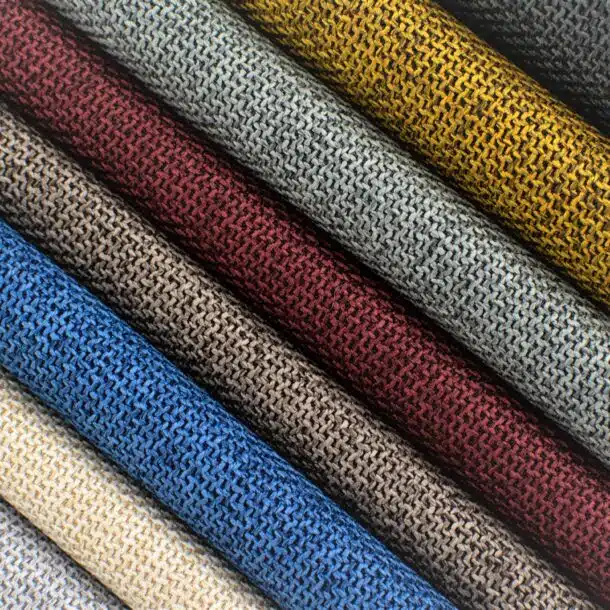
What Is Acoustic Fabric and How Does It Work?
At its core, acoustic fabric panels are a marriage of sound science and interior design. Unlike traditional wall coverings, these panels are engineered specifically to absorb sound waves rather than simply reflecting them. They are composed of a high-density, porous core material—such as fiberglass or mineral wool—that is wrapped in a decorative fabric.
The science behind their effectiveness is based on sound absorption. When a sound wave hits a hard, flat surface (like a drywall or a window), it bounces back, creating echo and reverberation. This is the primary cause of noise buildup in a room. When a sound wave encounters an acoustic panel, however, it enters the porous core. As the wave travels through the tiny air pockets within the material, the sound energy is converted into a small amount of heat through friction. This process effectively “traps” the sound, preventing it from bouncing back and significantly reducing echo and reverberation.
This functionality makes fabric acoustic panels an incredibly effective solution for a wide range of acoustic issues, from improving speech intelligibility in a conference room to creating a quieter, more intimate dining experience in a restaurant.
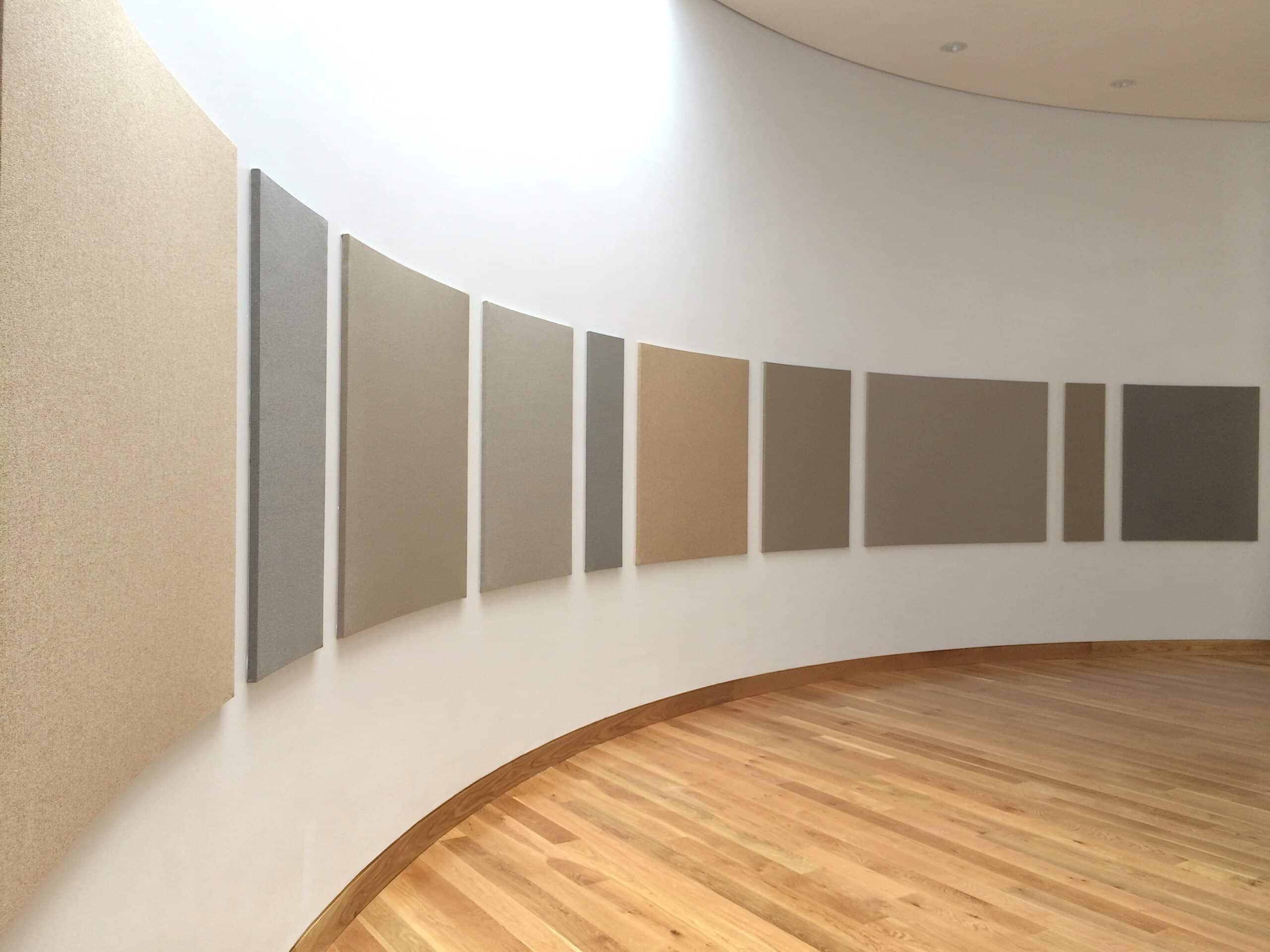
The Art of Stretched Fabric Acoustic Panels
While pre-fabricated panels are a popular choice, a truly customized and seamless solution is achieved with stretched fabric acoustic panels. This method involves a professional installation where a track system is mounted directly onto the wall or ceiling. The acoustic core material is then inserted into the track, and a large piece of decorative fabric is stretched tautly across the surface, creating a smooth, monolithic appearance.
The key advantages of stretched fabric acoustic panels include:
- Seamless Aesthetics: This method eliminates the visible seams that are often present between individual panels, creating a clean, high-end finish that blends seamlessly with the architecture of the space.
- Design Versatility: With stretched fabric, you are not limited to standard panel sizes. The system can be applied to large, uninterrupted surfaces, around windows, doors, and even to create intricate shapes and patterns. This offers architects and designers maximum creative freedom.
- On-Site Customization: The fabric can be changed easily without replacing the entire system, allowing for a flexible and cost-effective way to update the look of a space in the future.
This approach is particularly well-suited for high-end corporate offices, home theaters, and auditoriums where both acoustic performance and visual elegance are paramount.

How to Use Acoustic Fabric Panels to Achieve Comfort
To effectively use acoustic fabric to make your place acoustically comfortable, it’s not enough to simply place a few panels on the wall. A strategic approach is key.
- Assess Your Space: First, identify the sources of noise and the areas with the most significant echo. Clapping your hands or talking in the room can help you identify surfaces that are causing the most reflection. Hard, parallel surfaces like bare walls, glass, and floors are the main culprits.
- Target the “First Reflection Points”: In a space with a specific listening area (like a home theater or conference room), the most effective placement is at the “first reflection points.” This is where sound from a speaker bounces off a wall and into the listener’s ear. Treating these specific areas has the biggest impact on sound clarity.
- Spread Panels Strategically: Instead of bunching all your panels together on one wall, it’s more effective to distribute them evenly throughout the space. This helps to absorb sound energy before it has a chance to build up, providing a more balanced and comfortable acoustic environment.
- Consider Both Walls and Ceilings: Don’t forget the ceiling! In many rooms, the ceiling is a large, untreated surface that contributes significantly to reverberation. Placing acoustic panels, clouds, or baffles on the ceiling can have a dramatic effect on overall acoustic comfort, especially in spaces with high ceilings.
- Balance Absorption and Diffusion: While absorption is crucial, in some spaces like recording studios or concert halls, a certain amount of sound reflection is desirable to maintain a lively sound. In these cases, acoustic panels can be combined with sound diffusers to scatter sound waves and create a more nuanced acoustic signature.
The Fabric of the Future
Acoustic fabric panels have evolved far beyond their utilitarian roots. They are now an indispensable tool for designers, architects, and homeowners seeking to create spaces that are not only visually stunning but also audibly pleasing. From reducing stress in a busy office to enhancing the listening experience in a home theater, these products offer an elegant and effective solution. Whether you choose the simplicity of a pre-fabricated panel or the seamless perfection of a stretched fabric system, you are weaving silence and comfort into the very fabric of your environment.
