


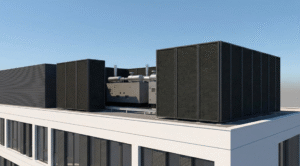
Generator noise plagues Muscat buildings relentlessly. When power cuts occur or backup systems kick in, the thunderous roar of diesel generators destroys peace throughout properties. Residents complain, businesses struggle to operate, and property managers field endless noise grievances. Finding effective soundproofing solutions for generator noise represents one of the most critical challenges facing building operators.
Generators produce intense noise across the frequency spectrum. Low frequency rumble travels through building structures, making it nearly impossible to escape. High-frequency mechanical whine penetrates walls and annoys occupants throughout buildings. Exhaust noise adds another layer of acoustic assault that compounds the problem.
The intermittent nature of generator operation makes the noise particularly disturbing. Occupants adapt to constant background sounds, but sudden generator startup jolts attention and triggers stress responses. Every power interruption becomes a noise crisis that demands resolution.
Understanding Generator Noise Characteristics
Generators produce noise through multiple mechanisms. Engine combustion creates powerful pressure pulses that radiate from the engine block. Cooling fans move massive air volumes, generating turbulent noise. Exhaust gases exit at high velocity, producing jet like roar. Vibration transmits through mounting points into building structures, turning entire buildings into giant speakers.
Low frequencies dominate generator noise signatures. These deep rumbles penetrate solid barriers easily and travel long distances without significant attenuation. Standard construction materials block high frequencies readily but offer minimal resistance to bass energy.
Harmonic content characterizes generator noise. The fundamental firing frequency combines with multiples and engine speed variations to create complex tonal noise. This harmonic structure makes generator noise particularly annoying because it contains distinct pitches that draw attention.
Enclosure Design Principles
Generator enclosures represent the primary defense against noise radiation. Effective enclosures must address airborne sound transmission, vibration isolation, and ventilation requirements simultaneously. Balancing these competing demands requires careful engineering.
Mass loaded barriers form enclosure walls. Heavy materials resist vibration from intense sound pressure inside enclosures. Multiple layers with damping between sheets outperform single thick layers by preventing resonance that amplifies specific frequencies.
Interior enclosure surfaces need absorptive treatment. Acoustic panels lining enclosure interiors absorb sound before it can reflect and build pressure inside the enclosure. This absorption reduces noise levels inside the enclosure, making walls more effective at containing remaining sound.
Ventilation openings in enclosures create acoustic weak points. Baffled paths force air through multiple turns lined with absorptive acoustic panels. This path length allows sound absorption while permitting necessary airflow. Acoustic louvers provide engineered solutions for ventilation without compromising enclosure performance.
Vibration Isolation Systems
Vibration isolation prevents generator vibration from entering building structures. Resilient mounts between generator and foundation break the direct connection that transmits vibration. Spring isolators, rubber pads, or pneumatic systems all provide effective isolation when properly sized and installed.
Inertia blocks increase generator mass, reducing vibration amplitude before isolation systems act. Concrete bases attached to generators through resilient mounts provide the mass needed for effective isolation. The combined system dramatically reduces vibration transmission compared to generators sitting directly on slabs.
Flexible connections between generators and attached systems prevent vibration transmission through pipes and conduits. Exhaust systems, fuel lines, and electrical conduits all need flexible sections that accommodate generator movement without creating rigid vibration paths into building structures.
Working with akinco Oman ensures access to properly engineered vibration isolation systems designed specifically for generator installations. Professional design accounts for generator weight, operating frequencies, and building structure to deliver optimal isolation performance.
Exhaust Silencing
Exhaust noise often exceeds engine noise significantly. High temperature, high velocity gases exiting exhaust pipes create intense broadband noise. Critical grade silencers reduce exhaust noise by 25 to 40 decibels through reactive and absorptive mechanisms.
Reactive silencers use expansion chambers and resonators to reflect sound back toward the engine, preventing it from exiting the exhaust pipe. These systems work particularly well on low frequencies where absorptive materials struggle. Multiple chambers targeting different frequencies provide broadband control.
Absorptive silencers line exhaust paths with high temperature acoustic panels that survive exhaust heat while absorbing sound energy. Perforated inner tubes allow sound to enter absorptive chambers while gases continue flowing. The combination of reactive and absorptive technologies delivers superior performance across all frequencies.
Exhaust pipe routing affects noise radiation significantly. Directing exhaust away from occupied areas provides simple but effective noise reduction. Vertical exhaust termination prevents ground reflection that amplifies noise in horizontal directions.
Intake Silencing
Air intake noise contributes substantially to overall generator noise. Large volumes of air rushing into combustion chambers create turbulent noise that radiates from intake openings. Intake silencers reduce this noise through baffled paths lined with absorptive materials.
Intake silencer design must minimize pressure drop while maximizing noise reduction. Excessive restriction reduces generator performance and efficiency. Proper sizing ensures adequate airflow while forcing air through acoustic treatment that absorbs intake noise effectively.
Locating air intakes strategically reduces noise impact. Drawing intake air from directions away from occupied areas minimizes direct noise exposure. Combined with effective silencing, strategic intake positioning provides substantial overall improvement.
Room Treatment for Generator Spaces
Dedicated generator rooms require comprehensive acoustic treatment. Hard surfaces reflect noise, building intense reverberant fields that increase sound transmission through walls and doors. Treating interior surfaces with acoustic panels controls reverberance and reduces overall noise levels in generator rooms.
Wall and ceiling coverage should reach 60 to 80 percent for effective reverberation control. Acoustic panels mounted directly to surfaces or suspended from ceilings absorb sound before multiple reflections amplify noise levels. This treatment reduces strain on walls and doors trying to contain generator noise.
Door seals prevent noise escape through gaps around generator room doors. Acoustic doors with proper sealing systems dramatically outperform standard doors. Double door entries with sound locks between provide additional isolation for severe noise situations.
Monitoring and Maintenance
Sound level monitoring verifies soundproofing solution effectiveness. Measurements at property boundaries and in occupied spaces confirm compliance with noise regulations and occupant comfort requirements. Regular monitoring identifies performance degradation before complaints arise.
Maintenance programs preserve long term performance. Enclosure seals deteriorate over time, creating sound leaks that undermine overall effectiveness. Vibration isolators settle and lose effectiveness without periodic inspection and adjustment. Silencer internal components degrade under harsh exhaust conditions, requiring replacement on regular schedules.
Acoustic panels in harsh environments need inspection and replacement. Dust accumulation reduces absorption effectiveness. Moisture exposure can damage materials. Regular cleaning and replacement maintains optimal acoustic performance throughout system service life.
Cost Considerations and Returns
Comprehensive generator noise control represents significant investment. Enclosures, vibration isolation, and silencing systems all carry substantial costs. However, the expense must be weighed against regulatory compliance requirements, occupant satisfaction, and property value impacts.
Buildings with poor generator noise control face complaints, tenant turnover, and potential regulatory action. The cost of treating problems after construction exceeds proactive installation costs significantly. Planning acoustic treatment during initial generator installation optimizes both performance and cost effectiveness.
Property managers report that effective generator noise control eliminates a major source of occupant complaints. Tenant retention improves, vacancy rates drop, and properties maintain competitive advantages in crowded rental markets. The return on investment manifests through operational improvements rather than direct revenue.
Implementation Strategy
Professional acoustic assessment should precede treatment decisions. Understanding existing noise levels, transmission paths, and generator characteristics allows targeted solutions that address specific problems rather than applying generic approaches that may miss critical issues.
Phased implementation balances budget constraints with noise reduction needs. Starting with enclosure improvements typically delivers the most dramatic results. Adding vibration isolation provides secondary benefit. Silencer upgrades and room treatment complete comprehensive solutions.
Combining multiple technologies creates synergistic effects where total noise reduction exceeds the sum of individual treatments. Enclosures containing vibration isolated generators with effective silencing and treated generator rooms deliver exceptional performance that transforms noise nightmares into acceptable background sound.
Generator noise need not plague Muscat buildings indefinitely. Effective soundproofing solutions exist for even the most severe situations. The investment in proper treatment pays dividends through occupant satisfaction, regulatory compliance, and operational excellence that distinguishes well managed properties from struggling competitors.
Frequently Asked Questions
Can portable generators be effectively soundproofed?
Yes, but portability complicates treatment. Custom enclosures with removable panels allow noise control while maintaining access for maintenance and relocation. Permanent installations always achieve superior performance through optimized treatment integration.
How much noise reduction is possible for generators?
Comprehensive treatment typically achieves 30 to 45 decibel reduction. This transforms generator roar into moderate background hum. Extremely loud generators may require aggressive treatment for comparable subjective improvement.
Do acoustic panels alone reduce generator noise?
No. Panels absorb sound within rooms but cannot block intense generator noise from transmission. They work as components of comprehensive soundproofing solutions that include enclosures, isolation, and silencing technologies.
Will soundproofing reduce generator efficiency?
Properly designed systems maintain efficiency. Adequate ventilation prevents overheating while acoustic treatment controls noise. Poor designs that restrict airflow can reduce performance, making professional engineering essential for optimal results.
How often does generator soundproofing need maintenance?
Annual inspection identifies wear and degradation. Silencer replacement typically occurs every three to five years depending on usage. Enclosure seals may need replacement every five to ten years. Vibration isolators last 10 to 15 years with proper installation and loading.
